
Hotel Local SEO Management Explained for Better Online Presence
What if most travelers searching for hotels nearby never see your property online? Hotel local SEO management plays a major role in how properties appear across Google Maps and local results. Many hotels invest heavily in branding yet overlook the signals Google uses to rank locally. Improving these signals can directly influence online visibility and booking opportunities.
TL;DR:
Hotel local SEO management helps hotels appear in Google Maps and local results where travelers compare and book stays. By optimizing Google Business Profile, using location-based keywords, maintaining consistent citations, creating local content, and managing reviews, hotels can improve visibility, trust, and booking performance.CTA
How does Hotel Local SEO Management Impact Local Search Rankings?
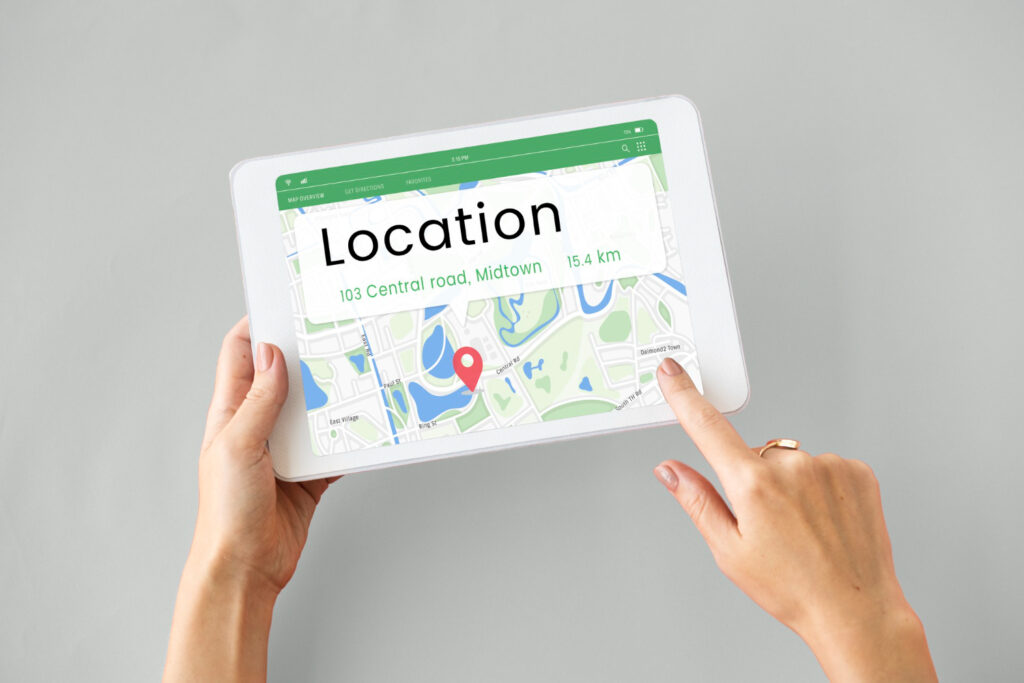
Hotel local SEO management influences how hotels appear in Google Maps and location-based search results. Google favors properties with accurate business details, strong geographic relevance, and consistent online signals. Well-optimized hotels are more likely to appear in the Map Pack, where travelers concentrate their attention.
Nearly 46% of Google searches involve local intent, and more than half of those users interact directly with map results rather than standard listings. For hotels, this means local placement often determines whether a booking occurs.
Google evaluates proximity, relevance, and prominence when ranking hotels locally. A structured SEO approach aligns your hotel with these factors by reinforcing trust signals across listings, content, and guest feedback.
Without proper optimization, even highly rated hotels may fall behind competitors that better match Google’s local ranking criteria.
Optimize Hotel Google Business Profile for Local Searches
A well-maintained Google Business Profile (GBP) functions as a digital front desk for your hotel. Travelers rely on it to review photos, confirm amenities, check location, and decide whether to book.
To strengthen performance, focus on the following areas:
- Consistent NAP details across your website and all directories
- Accurate categories and attributes that reflect your hotel type
- Updated hours, contact details, and booking links
- High-quality photos and short videos showcasing rooms and amenities
Visual content should include descriptive text so Google can correctly interpret each asset. Hotels that actively update their profile send stronger engagement signals.
Treat your Google Business Profile as an extension of your website rather than a static listing. Regular updates help maintain visibility across local searches.
Target Location-Specific Keywords for Hotel Bookings
Hotel searches are rarely generic. Travelers typically include cities, neighborhoods, landmarks, or nearby attractions when searching for accommodations.
Examples include:
- “Hotel near Union Square”
- “Airport hotel in Dallas”
- “Beachfront hotel in San Diego”
These phrases should appear naturally in page titles, headings, and on-page content. Each hotel location benefits from a dedicated landing page referencing surrounding areas and notable points of interest.
Avoid repeating the same terms excessively. Instead, vary phrasing while keeping content guest-focused. This approach improves relevance while maintaining readability and SEO balance.
Maintain Consistent Local Citations Across Travel Directories
Local citations are online mentions of your hotel’s business information across platforms such as Google, Apple Maps, Bing, TripAdvisor, Expedia, and Yelp. These references help confirm legitimacy and reinforce location accuracy across search engines and travel platforms.
Consistency matters because Google compares citation data across multiple sources to validate business information. Differences in formatting, phone numbers, or naming conventions can weaken trust signals and limit visibility in local results.
Hotels should regularly audit listings, especially after renovations, rebranding, or ownership changes. Keeping citations aligned supports stronger local placement while preventing traveler confusion caused by outdated or conflicting details.
Beyond accuracy, citation consistency helps strengthen geographic relevance and brand recognition. When travelers repeatedly encounter the same hotel information across platforms, it reinforces familiarity and confidence, which can influence booking decisions and support long-term local performance.
Create Location-Focused Content for Guests
Location-focused content helps hotels align with local search intent while providing practical value to travelers. Google favors content that reflects geographic relevance and real-world context.
Effective content ideas include:
- Nearby attractions and landmarks
- Seasonal events or local festivals
- Transportation tips and airport access
- Dining and entertainment recommendations
Embedding Google Maps, referencing walkable areas, and applying local schema markup further reinforce location signals. This content also increases time on site, supporting overall performance.
When travelers find helpful local information directly on your site, they are more likely to book with confidence.
Collect and Showcase Local Reviews to Boost Visibility
Guest reviews strongly influence local search placement and how travelers make booking decisions. Properties with frequent, positive feedback tend to perform better in Google Maps and attract more qualified attention.
Encourage reviews through post-stay emails, follow-up texts, or in-room QR codes. Simplifying the process by linking directly to your Google review page increases response rates and consistency.
Responding to feedback—both positive and negative—demonstrates engagement and professionalism. Google interprets this activity as a signal of an active and well-managed hotel.
Beyond rankings, reviews build traveler trust. Many guests rely more on recent guest experiences than promotional messaging, making review management an essential element of hotel local SEO management.
Key Takeaways
- Hotels that optimize for local SEO are more likely to appear in Google Maps and local search results, where travelers actively compare accommodations. This visibility often determines whether a booking happens or goes to a competitor.
- An optimized Google Business Profile with accurate details, visuals, and updates helps travelers evaluate a hotel quickly. Consistency across listings reinforces credibility and supports stronger local placement.
- Travelers search using cities, neighborhoods, and landmarks rather than generic terms. Using location-specific language across pages and listings helps hotels match real search behavior and attract qualified traffic.
- Uniform hotel information across travel directories confirms legitimacy and location accuracy. This consistency helps search engines validate the business and improves performance in local results.
- Regular, recent reviews combined with active responses strengthen online presence and traveler confidence. Review management supports both local rankings and booking decisions.
Frequently Asked Questions
What is hotel local SEO management?
Hotel local SEO management is the process of optimizing a hotel’s online presence so it appears in local search results when travelers search for accommodations nearby.
Why is local SEO important for hotels?
Local SEO helps hotels attract nearby and high-intent guests by improving visibility on Google Maps, local search results, and voice searches like “hotels near me.”
How can hotels improve their local SEO rankings?
Hotels can improve local SEO by optimizing their Google Business Profile, using location-based keywords, earning positive reviews, and keeping business information consistent across all platforms.
Does local SEO help hotels get more direct bookings?
Yes, strong local SEO increases visibility in search results, driving more traffic to the hotel’s website and reducing reliance on third-party booking platforms.